


How Risk Assessment Tools are Changing Due Diligence
#AML #Compliance

May 15, 2025

3 Minutes
Today, a new wave of risk assessment tools is transforming how organisations approach due diligence, making it smarter, faster, and more aligned with regulatory best practices. Manual, checklist-driven processes can miss critical risk indicators, especially when onboarding high-risk clients or operating across jurisdictions. As financial crime becomes more sophisticated and regulatory expectations continue to rise, traditional approaches to due diligence are no longer enough.
In the context of AML/CTF compliance, due diligence refers to the process of verifying the identity of a customer and understanding the nature and purpose of their relationship with your organisation. This ensures that you are not in advertently enabling criminal activity such as money laundering, fraud, or terrorism financing.
There are generally three levels of due diligence:
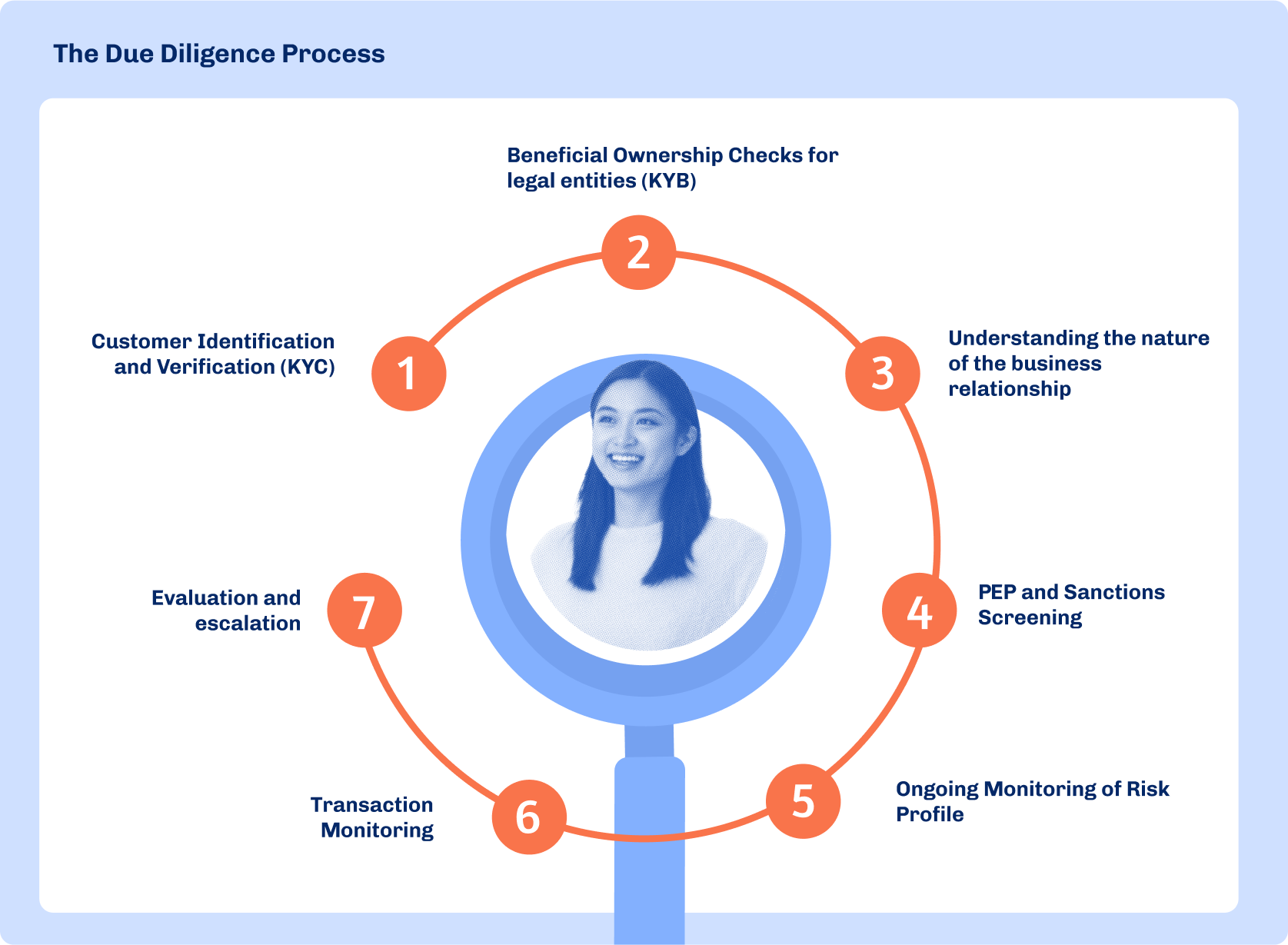
Effective due diligence enables organisations to:
These tools bring structure, automation, and data-driven decision-making to the due diligence process. Here's how:
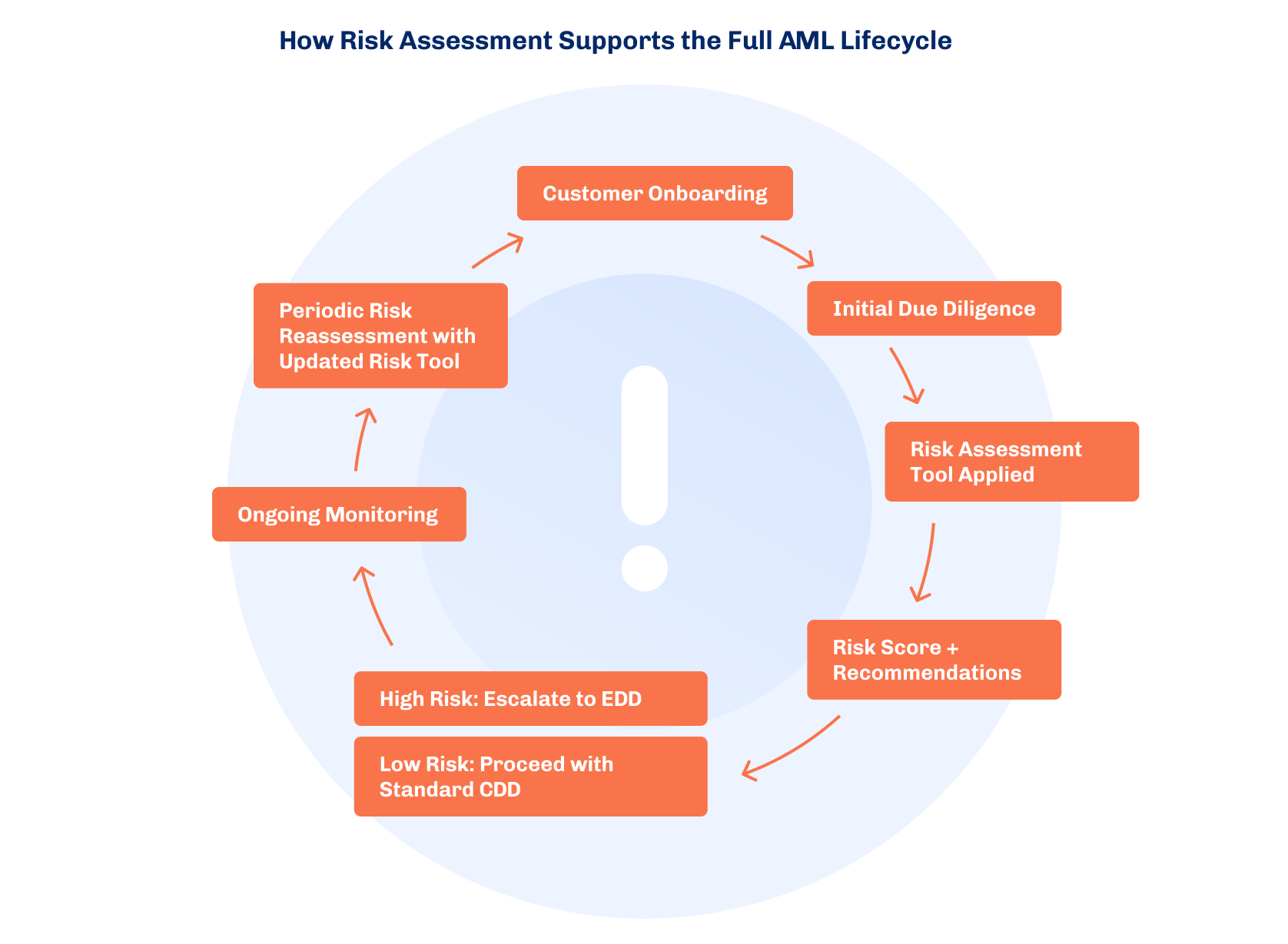
MemberCheck’s Risk Assessment feature is designed to strengthen your due diligence processes at every stage of the AML lifecycle.
With our tool, you can:
Want to see how it works? Book a demo today and start building a more resilient compliance framework.
While not explicitly mandated, regulators expect a structured, risk-based approach. These tools help fulfil this expectation and reduce the likelihood of compliance failures.
FATF and AUSTRAC both mandate the use of risk-based approaches. A well-designed tool supports these expectations by documenting risk rationale and standardising assessments.
No. They should be used throughout the customer lifecycle, including during periodic reviews, trigger events, and ongoing monitoring.
By using multiple data points to determine actual risk exposure, these tools help compliance teams prioritise high-risk cases and reduce unnecessary escalations.



With Tranche 2 of Australia’s AML/CTF reforms taking shape, businesses - especially legal, accounting...

With the extension of Australia's AML/CTF regime under Tranche 2, industries such as legal, accounting, and real estate are...