If an Australian business checks a driver's licence, passport, or Medicare card during customer onboarding, it's likely using the Document Verification Service (DVS), even if that name never appears in the workflow.
DVS sits behind a large share of identity checks in Australia. Knowing what it actually checks, and what it doesn't, matters for any compliance team building or reviewing an onboarding process.
What DVS is?
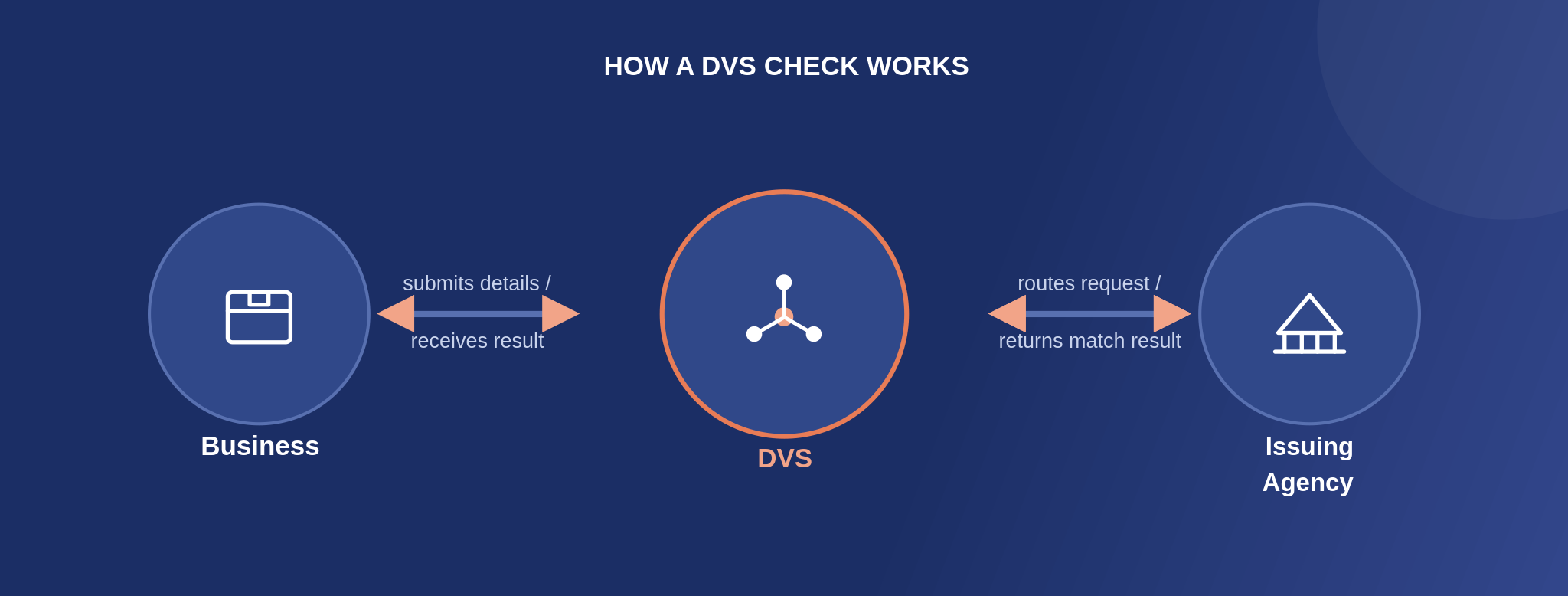
DVS is a joint service run by the Australian Government and the state and territory governments. It works like a hub, not a database. DVS doesn't hold a central store of Australians' ID documents. It doesn't keep the personal details submitted in a request either. It's a routing and matching layer, by design, not a data warehouse.
What a DVS check confirms?
A DVS check is a one-to-one match. It confirms whether the submitted details, name, date of birth, document number, and other fields, match the issuing agency's own record.
Documents commonly checked include:
- Australian passports
- Driver's licences
- Medicare cards
- Birth certificates
- Citizenship certificates
The exact fields checked vary by document type. A positive match is a strong signal the document is genuine and hasn't been altered, more reliable than manual visual checks or unverified data entry.
What a DVS check does not confirm?
This is where compliance teams most often assume too much. A DVS match does not confirm:
- The identity of the person presenting the document. Confirming that the presenter is the document's rightful holder requires a separate step: biometric or liveness verification.
- Visa, work rights, or immigration status. A passport DVS match says nothing about a person's current visa status. That needs a separate Visa Entitlement Verification Online (VEVO) check.
- Whether a document is cancelled, suspended, or restricted. Beyond the specific fields checked.
How businesses access DVS
Businesses don't connect to DVS directly. Access runs through an accredited Gateway Service Provider, an organisation authorised to route requests into DVS on a client's behalf, usually as part of a broader identity verification or KYC platform.
When evaluating any vendor's identity verification claims, it's worth asking directly: does their DVS access run through an accredited gateway?
Where DVS fits in an AML/CTF onboarding process
For AUSTRAC reporting entities, a DVS check is one piece of identity verification, not the whole customer due diligence job. A complete process needs:
- Document verification. DVS.
- Identity-to-person matching. Biometric or liveness checks.
- Screening. PEP, sanctions, and adverse media checks under an AML/CTF program.
Treating a DVS match as "due diligence done" is a common mistake. DVS confirms document authenticity. It doesn't cover the full risk assessment an AML/CTF program requires.
How MemberCheck's IDV brings this together
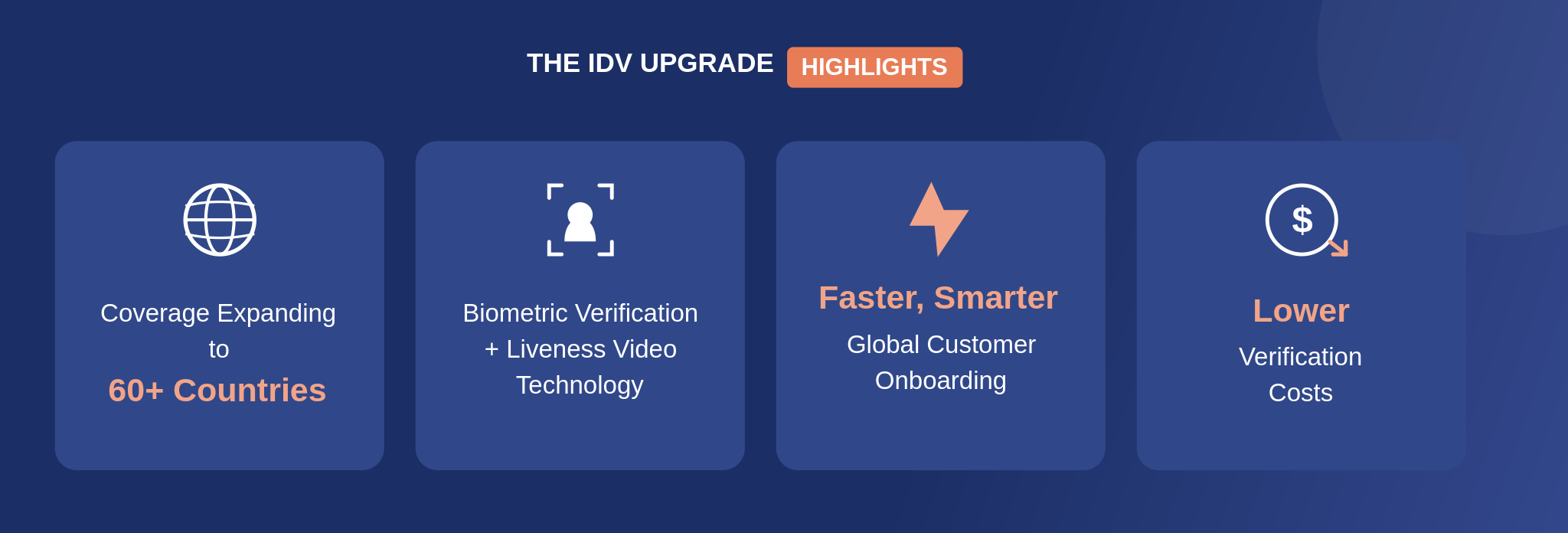
MemberCheck's identity verification (IDV) capability is built directly on this same architecture and goes further. For Australian customers, it uses DVS itself as the document verification source. It then adds two more layers in the same flow:
- Document verification. Via DVS for Australia, and LSEG internationally, checking a document against official and commercial sources.
- Biometric FaceMatch. Matching a live selfie against the document photo.
- Liveness video detection. Confirming a real person, not a photo or recording, completed the check.
The combined result comes back as a confidence-based outcome, Verified, Not Verified, Review Required, Pending, Incomplete, or Not Requested, rather than raw match data. A "Verified" result means the document and the live biometric check both held up. It isn't an absolute guarantee against every possible fraud method.
From there, MemberCheck also handles the next stage of due diligence: PEP, sanctions, and adverse media screening, with full case management and an audit trail, so document and biometric verification, and ongoing screening, sit in one connected process rather than separate tools.